

Modern Window System
uPVC Windows
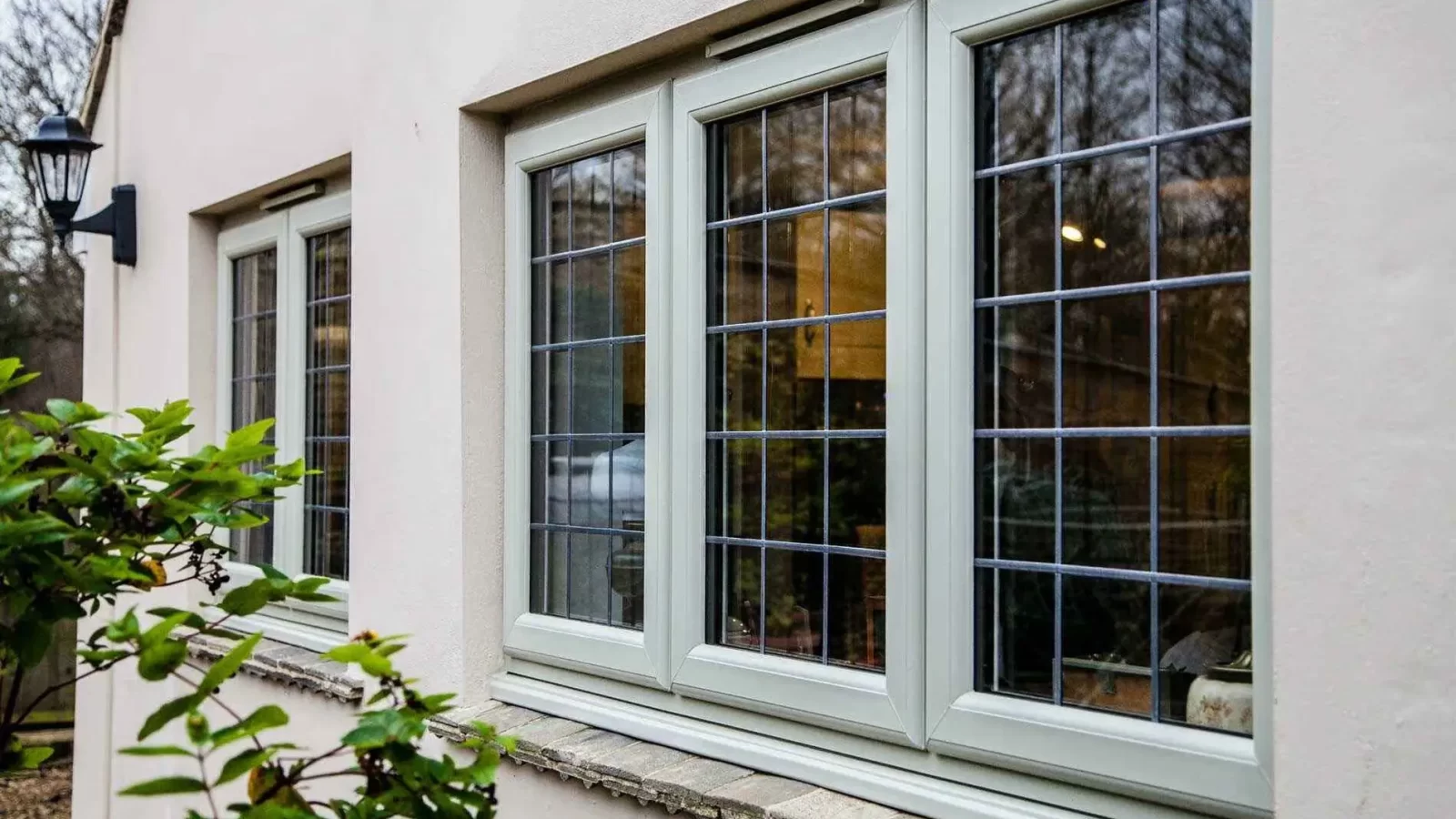
uPVC windows pair rigid, paint-free polymer frames with German profile engineering from VEKA and REHAU, delivering insulation, sound damping and low-maintenance comfort for New Jersey and New York homes.
Limited-Time Offer
Save $3,000 on Your Project
Credit applies to new project contracts signed within 30 days of the quote. Cannot be combined with other offers. Ask your consultant for full details.
What Are uPVC Windows?
uPVC windows are window units fabricated from unplasticized polyvinyl chloride, a rigid polymer that resists rot, corrosion and salt air without paint or sealant. Vision Art Aluminium supplies and installs uPVC window systems built on German profile engineering from VEKA, a profile manufacturer founded in 1969, and REHAU, developer of the ARTEVO platform. Both systems reach New Jersey and New York homes through the company’s Montclair, NJ showroom.
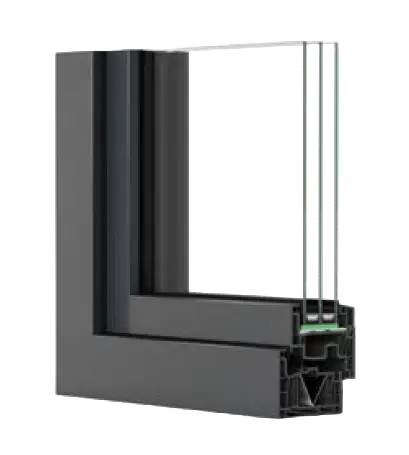
A uPVC window frame is extruded as a multi-chamber profile. Each sealed air chamber slows heat transfer, which is why a five-chamber VEKA profile with a 70 mm installation depth insulates far better than a hollow metal frame. Vision Art Aluminium operates as a VEKA Certified Dealer, so every profile arrives in Class A quality under the DIN EN 12608 standard.
REHAU ARTEVO
What Performance Do REHAU ARTEVO Profiles Deliver?
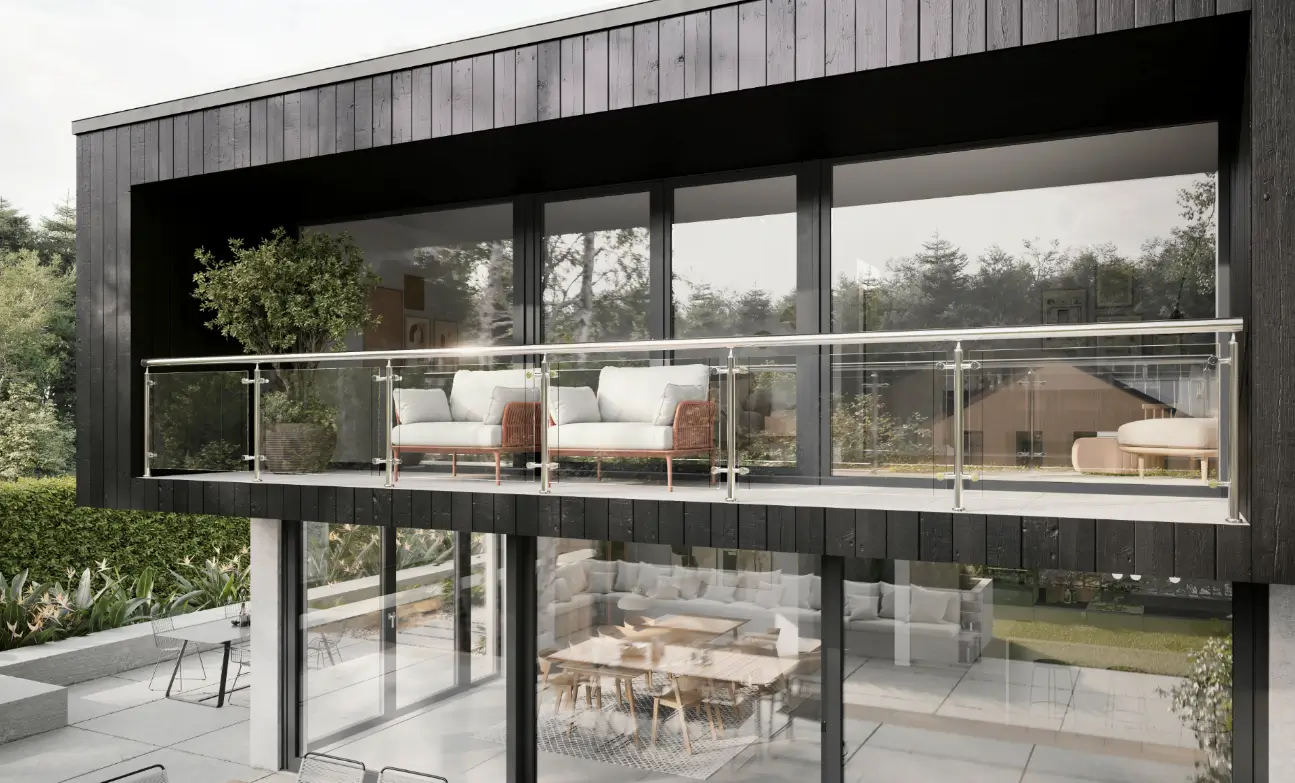
ARTEVO is REHAU’s flagship uPVC platform, and its published figures set the benchmark for the category. The profile achieves Ur values as low as 0.81 W/(m²K) with an integrated LowE film. Combined with triple glazing, whole-window Uw values reach 0.61 W/(m²K), a passive-house level of insulation.
REHAU rates the system for energy savings of up to 78% against outdated frames, and for noise reduction of up to 97%, a decisive margin for homes near highways, rail lines or flight paths. Most ARTEVO elements need no steel reinforcement, which removes the thermal bridge (the path where heat escapes through metal inside a frame) that weakens conventional uPVC windows.

Sash Design
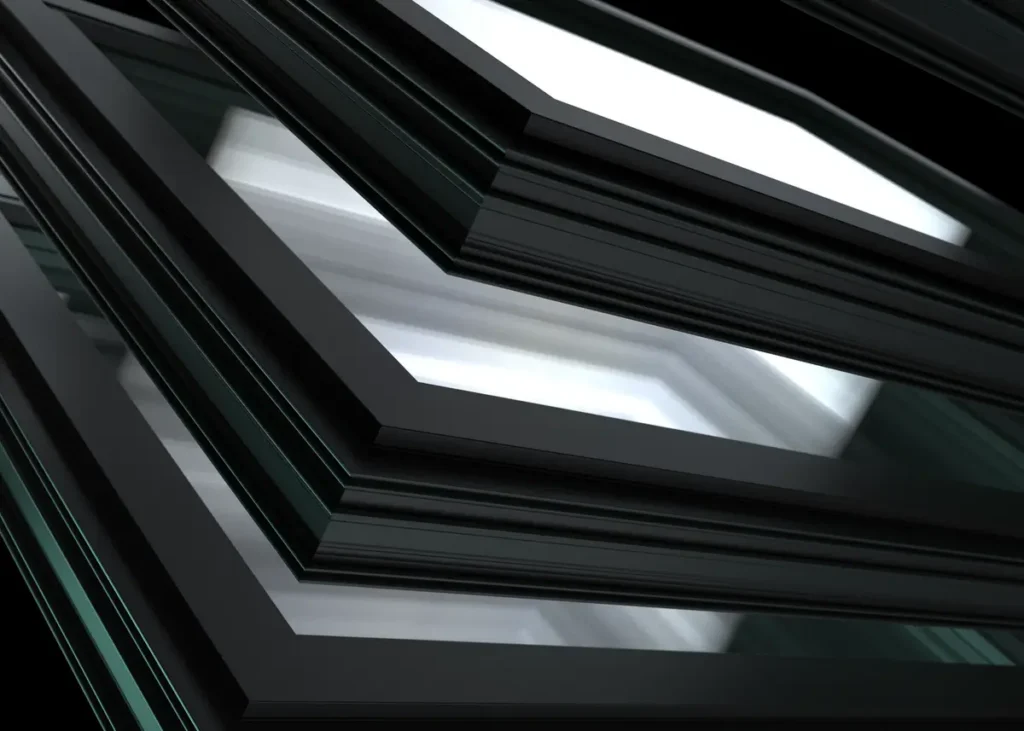
Refined sash profiles
Slim Design Sash
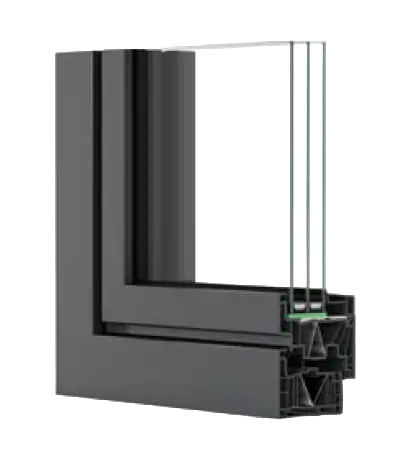
Flush Sash
How Sustainable Is the ARTEVO System?
Sustainability data is equally concrete. ARTEVO carries the EcoPuls label with up to 75% recycled content and 100% in-house recycling within REHAU’s circular production loop. By integrating recycled materials without compromising performance, the system contributes auditable environmental data to low-energy building projects rather than marketing language.
Surface Finishes
KALEIDO surface collections
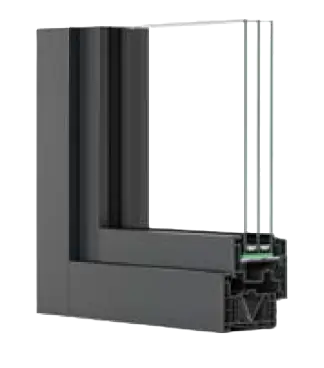
KALEIDO COVER
The flawless aluminum look: aluminum cladding combines a high-class appearance with the technical advantages of PVC-U windows.
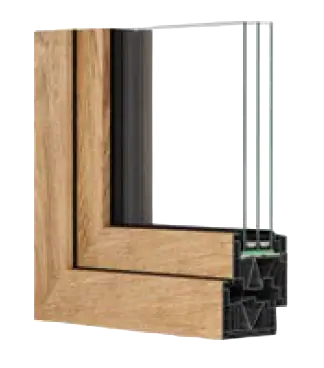
KALEIDO WOODEC
Deceptively genuine: convincingly looks and feels like wood with a matt finish and particularly deep embossing.
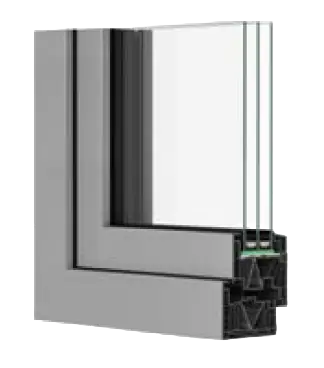
KALEIDO FOIL
The tried and tested standard process with double layer PVC film: the base film provides the desired color, and the transparent top layer protects against damage and environmental influences.
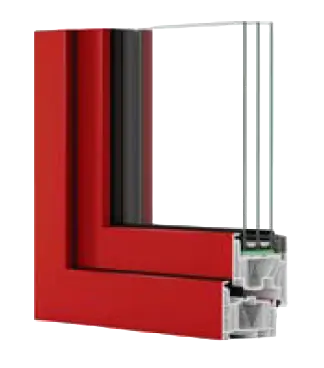
KALEIDO PAINT
Unlimited options: elegant paint with a gloss or matt finish in almost every RAL, DB and NCS color. Textured paints for special effects are a particular highlight.
Thermal Performance
No risk of heat loss
Thermal Bridge-Free Design. Unlike conventional systems, the majority of ARTEVO elements do not require steel reinforcement. This eliminates the risk of thermal bridges that typically cause unwanted heat loss.
By avoiding steel reinforcements:
- Thermal insulation performance is significantly improved
- Interior comfort is enhanced
- Energy efficiency is maximized
Large glass surfaces further support passive solar gain, contributing to additional natural energy generation.
LowE Technology: Highest Thermal Performance. ARTEVO max incorporates innovative REHAU LowE profile technology, taking insulation performance to a new level.
By integrating a LowE film into both frame and sash:
- Ur values as low as 0.81 W/(m²K) are achieved
- In combination with triple glazing, Uw values reach 0.61 W/(m²K)
- Heating energy demand is drastically reduced
This makes ARTEVO a leading solution for passive house windows and ultra-energy-efficient buildings.
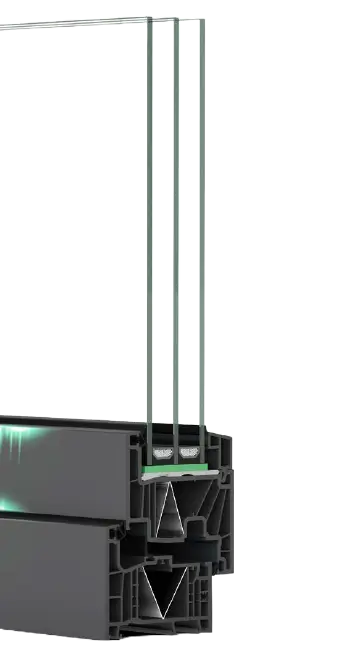
VEKA Softline 70 AD: The Proven Classic
VEKA Certified Dealer
A trusted partnership
As Vision Art Aluminium, we are proud to meet you as a VEKA Certified Dealer, bringing VEKA’s high-performance window and door profile systems to your projects with confidence and reliability.
VEKA’s commitment to quality begins with its advanced profile systems and extends far beyond. The company consistently adheres to the highest European quality standards for window profiles. All VEKA window and door profiles are manufactured in Class A quality, with wall thicknesses fully compliant with DIN EN 12608 standards.
In the continuous development of profile technology, VEKA pursues one clear objective: to enhance performance. As market expectations for durability, insulation, energy efficiency, and design continue to rise, VEKA remains at the forefront of innovation.
Since its founding in 1969, VEKA has played a pioneering role in profile development, significantly contributing to the strong reputation that vinyl windows enjoy today among homeowners, planners, and architects worldwide. The VEKA Group continues to follow this path with consistency and determination.
Quality assurance in accordance with DIN ISO 9001 covers all company divisions: from research and development to production, administration, and logistics: ensuring excellence at every stage.

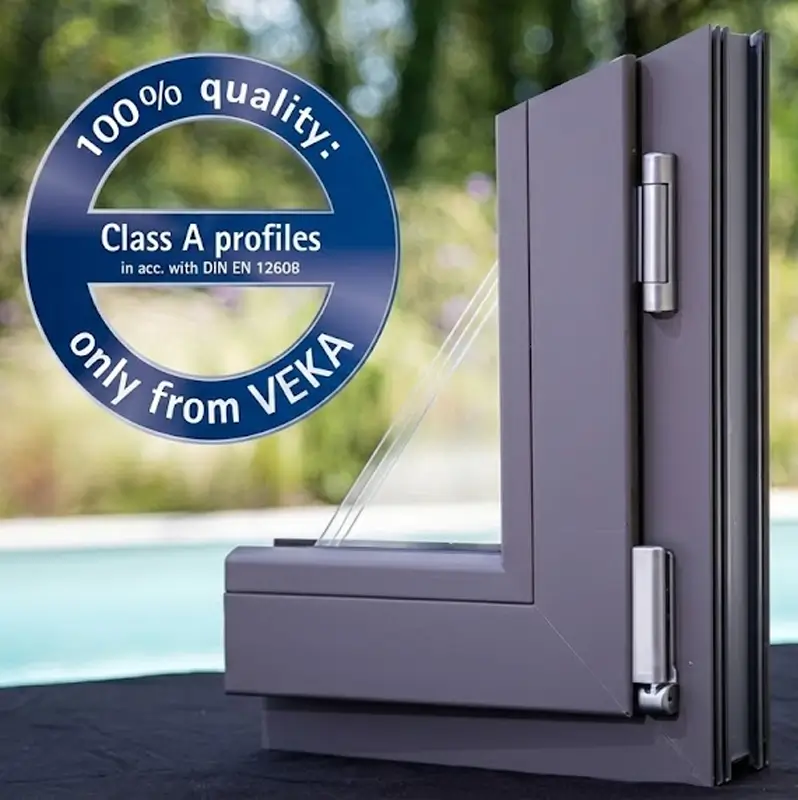
Softline 70 AD
Classic design, proven engineering
The SOFTLINE 70 AD with a 70 mm basic depth is one of the most established and trusted systems in the VEKA profile range. Known for its timeless appearance, this classic PVC-U window profile features a slightly rounded contour and particularly narrow face widths: design elements that continue to define VEKA’s newer profile generations.
Thanks to its proven construction and wide range of compatible additional profiles, SOFTLINE 70 AD provides excellent flexibility for efficient and high-quality window production.
The elegant design of SOFTLINE 70 AD blends perfectly with a wide variety of architectural styles. Whether for new builds or renovation projects, the system offers a visually balanced solution for both modern and traditional homes.
Its clean and classic shape makes it an ideal choice for long-term aesthetic value and universal application.
Modern PVC-U windows made with VEKA profiles enhance both the appearance and performance of any building. With its durable construction, classic design, and glazing flexibility, SOFTLINE 70 AD remains a reliable solution for high-quality plastic window production.
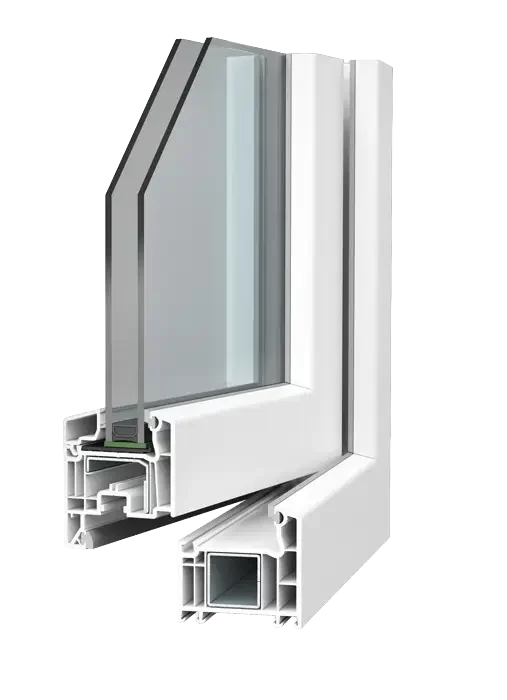
Technical Details
Profile family & layered construction
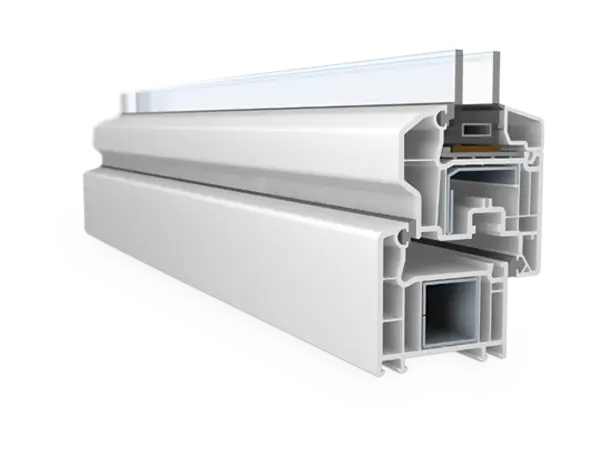
Profile Family
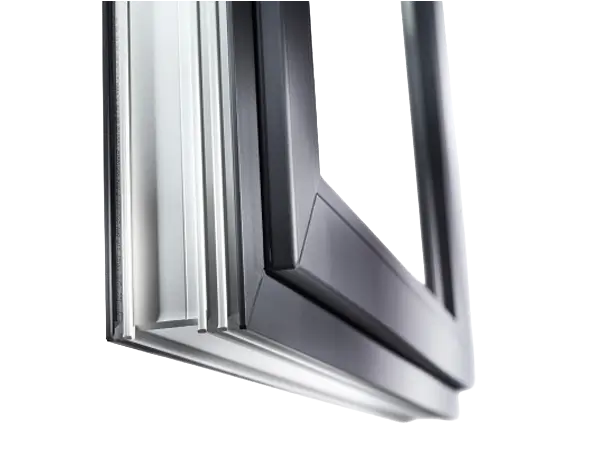
Layered Construction
The VEKA system with the classic design
Quality Highlights
Highest VEKA quality
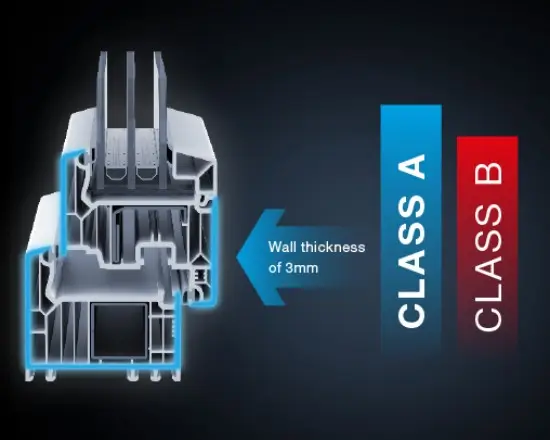
Class A profile to DIN EN 12608 with an outer wall thickness of 3 mm and 2.7 mm walls in the rebate and connection area (tolerance ±0.2 mm in each case).
5-chamber profile
with 70 mm basic installation depth optimally utilizes the insulating effect of air.
Galvanized metal reinforcements
according to VEKA fabrication guidelines ensure static safety and durable function.
High quality seals
In attractive gray or black; the rebate seal system with two sealing levels reliably keeps out cold, drafts and moisture.
Slightly rounded contours
give the SOFTLINE system its classic design.
High thermal insulation values
of up to Uw = 0.83 W/(m²K) with Uf = 1.3 W/(m²K), Ug = 0.5 W/(m²K), ψg = 0.03 W/(mK) are possible depending on the glazing.
Class A Quality
Quality for performance and durability
The quality of the window profile determines much more than the performance of the finished element: High-quality profile systems open up wide design scope and guarantee safe processing. VEKA produces only quality profiles of class A and guarantees this special quality through a strict control regime.
Windows influence the characteristics of a building in many ways. Factors such as thermal insulation and living comfort, but also the possibilities in architectural design, depend on the performance of the profile system: and thus ultimately on the quality of the window profile. High profile quality also enables smooth manufacturing and installation. VEKA produces only quality profiles with high Class A wall thicknesses that offer measurably better performance. To ensure this outstanding quality, VEKA controls the entire production chain more strictly and more closely than required.
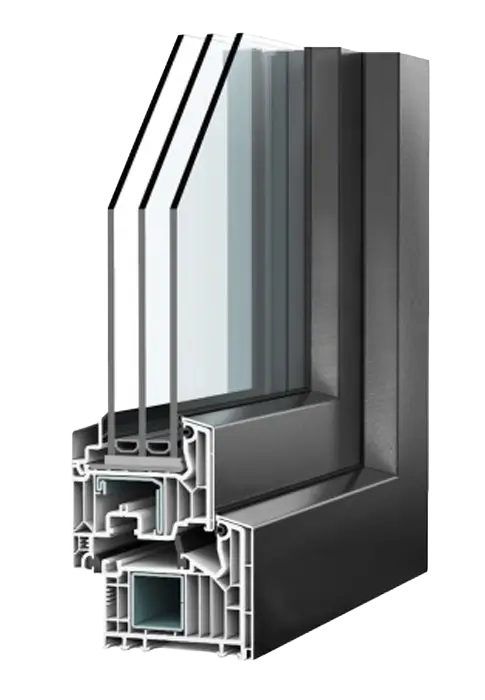
PVC-U + Aluminum
Effective thermal insulation meets elegant metal look
The combination of modern PVC-U profiles with an aluminum cover profile unites the advantages of two highly different materials: The optimal thermal and sound insulation of the PVC-U window meets the noble appearance of aluminum in an almost unlimited choice of colors:
The surface of the cover profile can be anodized in all RAL colors or optionally powder-coated. The profiles are simple and safe in terms of processing and installation and represent the most economical solution for the realization of sophisticated demands on design, aesthetics and living comfort.
Hardware
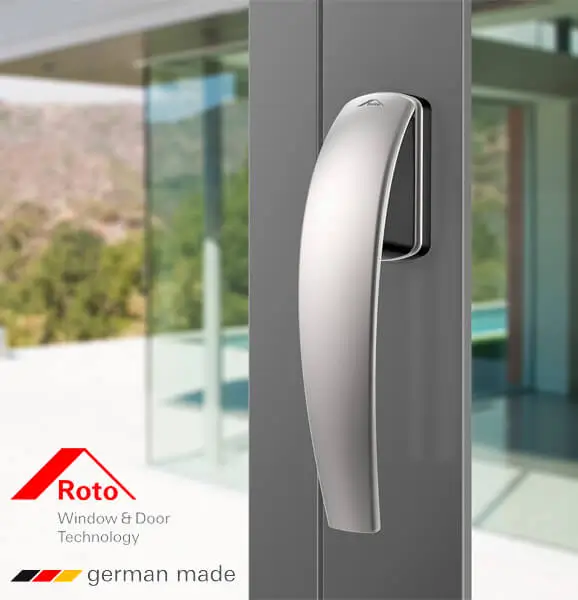
German Hardware: Roto and Siegenia
Vision Art proudly collaborates with the German brand Roto and Siegenia to bring you a fusion of cutting-edge design and unparalleled functionality. Our commitment to providing the best extends beyond aesthetics: now, with Roto or Siegenia exceptional hardware, our windows and doors reach new heights of quality and performance.
Roto Swing: an avant-garde assortment of handles that places particular emphasis on its unconventional forms. The handle’s design captivates as an exclusive and distinct architectural element for windows: simultaneously graceful and ergonomically advantageous.
This collection of handles is well-suited for Turn-Only / Tilt & Turn systems, Tilt & Slide, Lift & Slide, and Fold & Slide systems with both timber and PVC frames. It encompasses four distinct handle sets for balcony and terrace doors, including long-plate and escutcheon-cover versions, each featuring a flat handle.
The Roto Swing handle selection offers five distinct variations, catering to diverse security and comfort preferences:
- Standard: Basic handle without any additional function.
- Lockable 40 Nm: Equipped with turn cylinder for locking and unlocking; basic security, not tested; suitable as child safety lock.
- Lockable 100 Nm: Turn cylinder; burglar-inhibiting retrofit product (DIN 18104-1); lock the closed or tilted window quickly and simply by pushing down the cylinder.
- Secustik®: Invisible security against manipulation from the outside, self-locking blocking mechanism; safety bolt.
- Push button: Forcible displacement of the hardware from the outside is prevented; the window can be operated when the button is pressed.
- TiltFirst: Lockable with turn cylinder, “Tilt before Turn”.
Color Customization
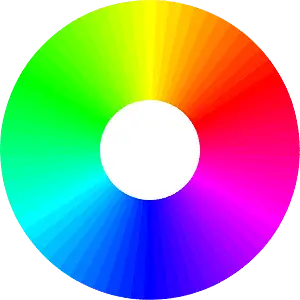
Color Options: RAL, DB and NCS
A Palette of Possibilities
Vision Art Aluminum understands that personalization is key. Our uPVC windows now offer a wide range of RAL colors, allowing you to express your unique style and seamlessly integrate your Windows into the architectural vision of your space. From classic neutrals to vibrant hues, the palette is as diverse as your imagination.
Durability in Design
Vision Art Aluminum's powder coat painting isn't just about look, it's about longevity. The advanced technology ensures that your uPVC windows are not only visually stunning but also resistant to wear and tear. Experience Windows that not only captivate with their beauty but also endure the test of time.
How Do uPVC Windows Differ From Aluminum Windows?
Aluminum windows vs uPVC windows is a question of priorities, not of one material beating the other. Aluminum frames carry larger glass panes on thinner sightlines, which suits panoramic openings and commercial storefronts. uPVC frames win on insulation per dollar, acoustic damping and maintenance, which suits bedrooms, bathrooms and street-facing facades.
The structural difference sits inside the frame. Metal conducts heat, so aluminum systems need a separate thermal break; uPVC is itself a poor heat conductor, so the chambers do the insulating work. For coastal NJ and NY properties, uPVC also shrugs off salt spray that can pit untreated metal hardware.
- Choose uPVC window frames for maximum insulation, sound reduction and a lower budget.
- Choose aluminum for oversized glazing, slimmer frames and structural spans.
- Many projects combine both: uPVC bedroom units, aluminum living-room walls.
Which uPVC Window Styles Are Available?
uPVC windows and doors cover every opening type a residential project needs. Vision Art Aluminium configures each unit to the opening, the room and the ventilation habit of the household.
- uPVC tilt and turn windows: one handle motion tilts the sash for secure ventilation, a second swings it fully inward for cleaning.
- uPVC casement window units: side-hinged sashes that open outward and seal by compression.
- Fixed and picture formats for stairwells and gables.
- Bathroom windows in uPVC with obscure glazing; the polymer frame is immune to shower humidity, so bathrooms are where uPVC outperforms wood most clearly.
- Matching uPVC entry and balcony doors on the same profile family.
Every style ships as a uPVC double glazed window as standard, and triple glazing is the upgrade path for bedrooms facing traffic or for maximum energy performance.
Softline 70 AD or ARTEVO: Which Profile Fits?
| Specification | VEKA Softline 70 AD | REHAU ARTEVO |
|---|---|---|
| Profile depth | 70 mm | ARTEVO max platform |
| Chambers | 5 | Multi-chamber, LowE film |
| Quality class | Class A, DIN EN 12608 | EcoPuls certified |
| Outer wall thickness | 3 mm | Steel-free design |
| Best Uw value | Triple glazing compatible | 0.61 W/(m²K) |
| Reinforcement | Galvanized metal | Mostly not required |
Softline 70 AD is the proven classic for replacement projects and traditional facades; ARTEVO is the performance flagship for passive-house targets and maximum insulation. Both arrive fabricated to the measured opening.
How Much Maintenance Do uPVC Windows Need?
A uPVC window needs soap, water and an annual hardware check, nothing more. The material never needs repainting, staining or sealing, and the color runs through the KALEIDO surface rather than sitting on top of it. Gaskets and multi-point locks are the only wear parts, and both are standard replaceable components.
This is the practical argument for rental properties and second homes across NJ and NY: a frame that performs identically in year fifteen with near-zero owner attention. Expected service life for Class A profiles runs multiple decades, which is why the material dominates European residential construction.
Who Are uPVC Windows Right For?
The evidence points to three clear profiles. Homeowners replacing drafty single-pane units get the largest gain: up to 78% energy savings and up to 97% noise reduction change how a house feels. Budget-disciplined projects get German-certified engineering, Class A walls at 3 mm, without the price of architectural aluminum. Design-driven renovations get KALEIDO surfaces that pass for aluminum or wood at viewing distance.
Projects centered on oversized glass walls remain aluminum territory, and Vision Art Aluminium supplies both materials from the same Montclair showroom, sized and installed by factory-trained crews across New Jersey and New York.
Product specifications can change. Profile availability, glazing packages and finish options should be confirmed with the installer at the time of quotation.
Frequently Asked Questions
What does uPVC stand for in windows?
uPVC stands for unplasticized polyvinyl chloride, a rigid form of PVC with no softening agents. The material does not rot, corrode or need paint, which is why uPVC windows are the standard residential window material across Europe and a growing choice in NJ and NY homes.
Are uPVC windows energy efficient?
Yes. Multi-chamber uPVC profiles insulate by design, and REHAU’s ARTEVO platform reaches Uw values of 0.61 W/(m²K) with triple glazing. REHAU rates the system for up to 78% energy savings compared with outdated frames, a passive-house level of performance.
Which is better, uPVC or aluminum windows?
Neither is universally better. uPVC windows insulate more per dollar and need less maintenance; aluminum windows carry larger glass on slimmer frames. Many Vision Art Aluminium projects in NJ and NY combine both materials, matching each opening to its structural and thermal job.
How long do uPVC windows last?
Class A profiles to DIN EN 12608, the grade VEKA manufactures, are engineered for a service life measured in decades. Wall thickness of 3 mm, welded corners and replaceable gaskets mean the frame typically outlasts the glazing unit it holds.
Can uPVC windows look like wood or aluminum?
Yes. VEKA’s KALEIDO program offers WOODEC woodgrain foils with deep embossing, COVER aluminum cladding, protective two-layer color foils and paint in nearly every RAL, DB and NCS shade. White remains standard, but streetscape matching is a catalog option, not a custom order.
Limited-Time Offer
Save $3,000 on Your Project
5.0 on Google · 64+ homeowner reviews
Credit applies to new project contracts signed within 30 days of the quote. Cannot be combined with other offers. Ask your consultant for full details.
Let's Talk
Discuss configurations, glazing options and hardware preferences with our team: share your project details and we will tailor the right uPVC system for you.
-
Email
[email protected] -
Phone
(855) 656-5920 -
Address
28 Valley Road, Suite 1, Montclair,
New Jersey 07042 -
Hours
Monday – Saturday,
9AM to 5PM