

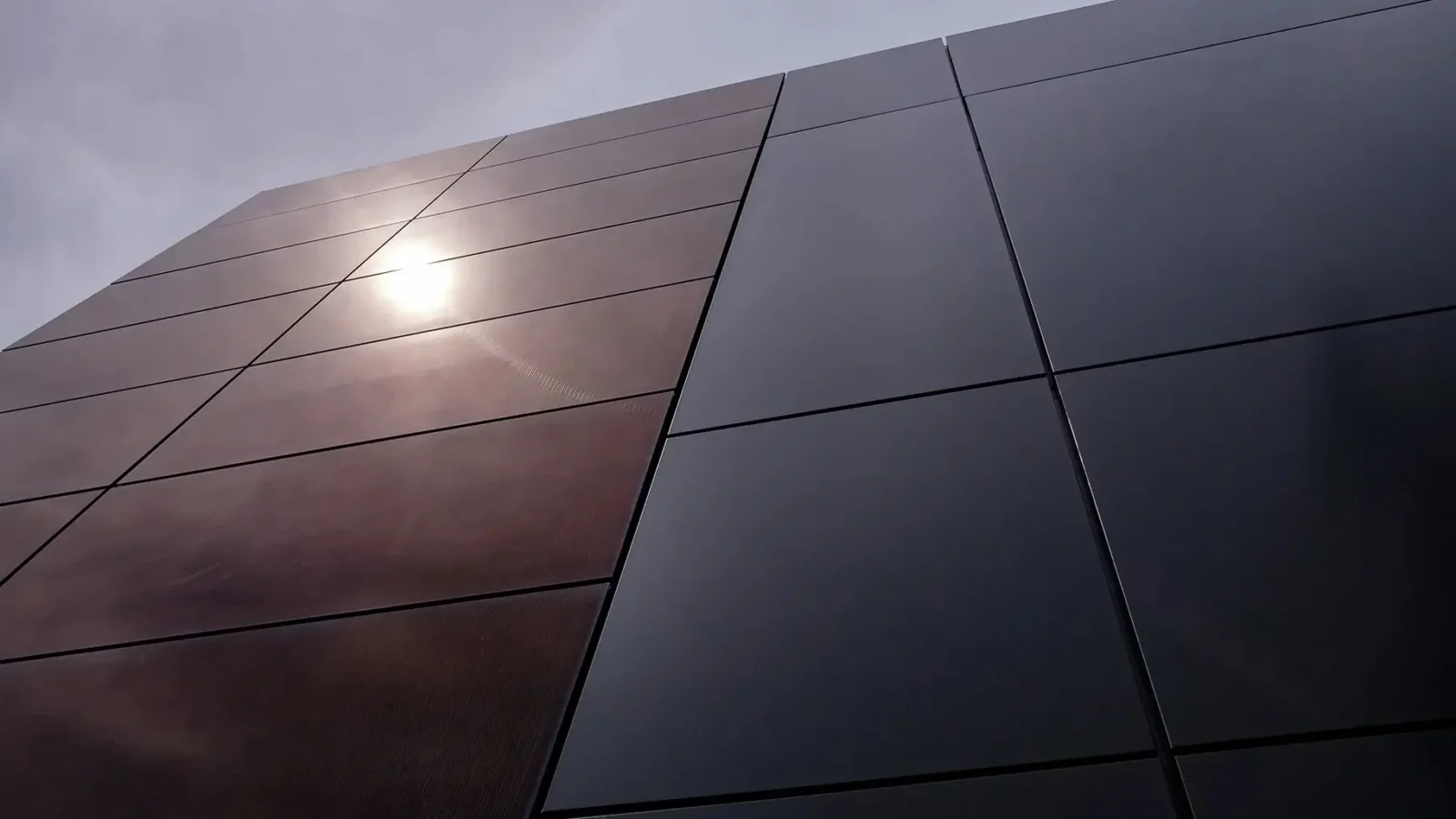
Premium Aluminum Composite Panels
Aluminum Composite Panel
Experience the pinnacle of architectural excellence with Vision Art Aluminum's Premium Composite Panels. Engineered for those who refuse to compromise, our panels blend cutting-edge durability with a sophisticated aesthetic finish.
Limited-Time Offer
Save $3,000 on Your Project
Credit applies to new project contracts signed within 30 days of the quote. Cannot be combined with other offers. Ask your consultant for full details.
Premium Aluminum Composite Panels
What Is an Aluminum Composite Panel?
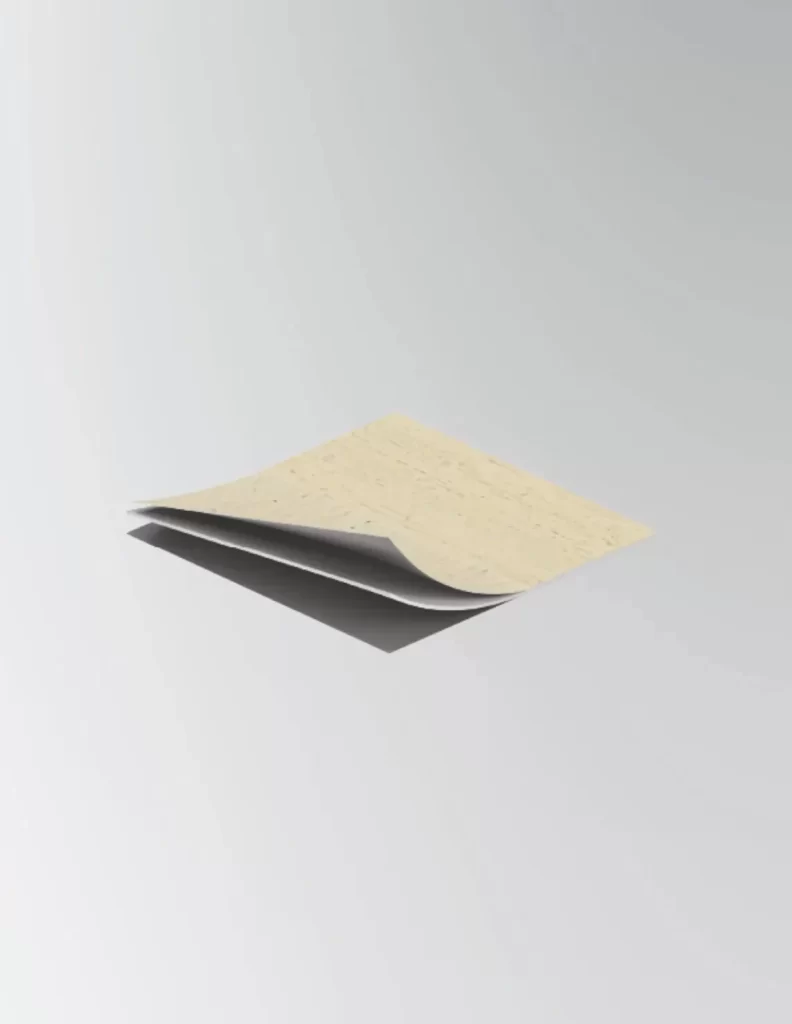
An aluminum composite panel (ACP) is a sandwich panel: two aluminum sheets bonded to a core of polyethylene or non-combustible mineral fill, producing cladding that is light, rigid and flat in a way solid metal cannot match at facade scale. Vision Art Aluminium supplies and installs ACP systems in three engineered variants, with fire classes up to A2 and coating warranties reaching 20 years for exterior use, serving commercial and residential facades across New Jersey and New York.
The composite construction is the point: the core absorbs stress and deadens vibration while the aluminum faces carry the finish, so acp paneling stays flat across large elevations, cuts cleanly for detail work and hangs at a fraction of solid-panel weight.
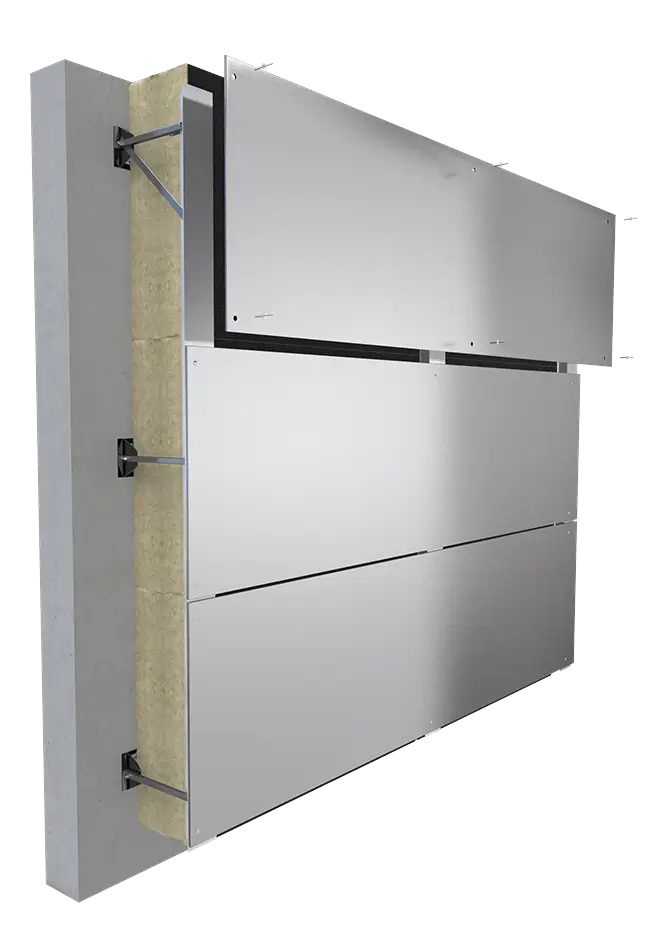
Variant 01
Aluboard Composite Panel
The Aluboard Composite Panels we provide are premium-quality products, crafted using cutting-edge technology and advanced materials. Every aspect of the design has been thoughtfully engineered and rigorously inspected throughout the production process. These panels distinguish themselves with their versatile applications and numerous advantages.
Aluboard Panels are constructed by bonding polyethylene between two aluminum sheets. The front aluminum surface is coated with durable polyester paint, while the back is finished with epoxy polyester for added resilience. This unique design not only ensures superior protection but also delivers a sleek, modern aesthetic.
Key benefits of these panels include their lightweight construction paired with exceptional strength, as well as a broad range of available colors. Their low-maintenance nature and ease of cleaning further enhance their appeal to users.
The technical specifications of Aluboard Panels are equally impressive. The panels have a thickness of 5/32″, with widths available in either 50″ or 60″. The standard length is 126″, with options for lengths up to 236″. The aluminum sheets have a thickness of 0.25 mm.
Thanks to these features, Aluboard Panels are ideal for a wide range of uses, including signboards, advertising displays, and other industrial applications.
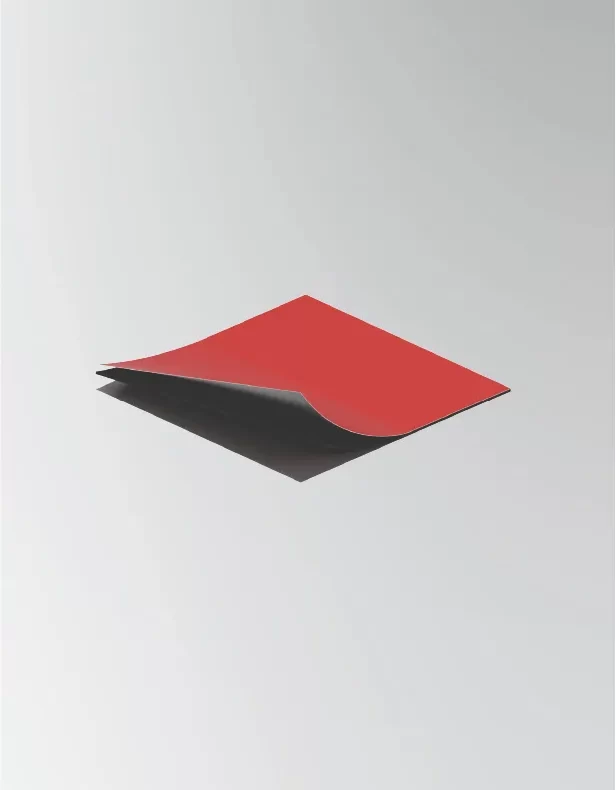
Variant 02
Aluface Composite Panel
Our aluminum composite panel product, Aluface, is engineered with precision, featuring a front aluminum sheet coated with 0.35 mm of PVDF or Nano PVDF paint for superior protection. The core is reinforced with a 3.30 mm thick low-density polyethylene filler, while the back is finished with a 0.35 mm epoxy polyester-coated aluminum sheet. With an overall thickness of 4 mm, Aluface is recognized for its lightweight design and remarkable durability.
The PVDF coating on Aluface ensures long-lasting resistance to environmental factors while preserving its aesthetic appeal, making it a reliable choice for exterior use. This durability is backed by a 20-year warranty for outdoor applications. Thanks to its premium construction and dependable performance, Aluface has become a go-to solution for architectural projects. We’ve meticulously crafted Aluface to deliver a resilient and trustworthy cladding material for our customers.
Specifications
| Layers | Thickness | Alloy | Coating |
|---|---|---|---|
| Upper Layer Aluminium | 0.35 mm | 3003 H16 | PVDF Coated |
| Core | 3.30 mm | Polyethylene Core | – |
| Lower Layer Aluminium | 0.35 mm | 3003 H16 | Epoxy Polyester Coated |
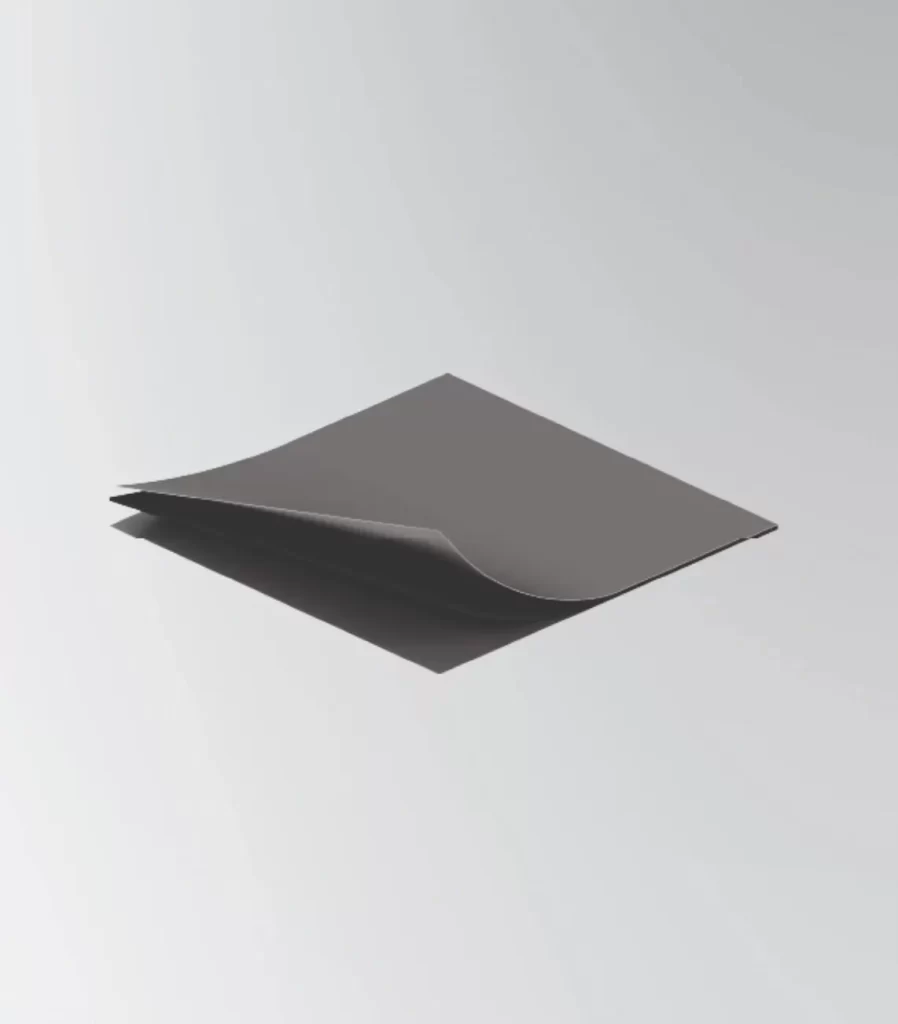
Variant 03 · A2 Fire Class
Saraybond Composite Panel
A2 Class Aluminum Composite Panels are non-combustible and designed for cladding building facades, offering the highest level of fire resistance. With increasing fire incidents worldwide, the need for buildings to be clad with fire-resistant materials has become critical. According to the “Fire Protection of Buildings” regulation (decision number 2009/15316, dated 10.08.2009, by the Council of Ministers), it is mandatory to use A-class non-combustible materials in buildings over 21.5 meters tall.
Our Mineral-Filled A2 Panels feature a total thickness of 4 mm, with 0.5 mm aluminum layers laminated to both sides of a 3 mm non-combustible mineral core. The top aluminum layer is coated with advanced PVDF technology, ensuring maximum durability against harsh weather conditions. Panels produced with this technology come with a 20-year warranty, further enhancing their long-term reliability.
Specifications
| Layers | Thickness | Alloy | Coating |
|---|---|---|---|
| Upper Layer Aluminium | 0.50 mm | 3005 / 3003 H16 | PVDF Coated |
| Core | 3 mm | Mineral Core | – |
| Lower Layer Aluminium | 0.50 mm | 3005 / 3003 H16 | Epoxy Polyester Coated |
What Do ACP Fire Classes Mean?
Fire classification is the first specification gate for facade cladding, and the range covers all three classes. A2 class panels (A2 s1 d0) carry a mineral-filled, non-combustible core and represent the highest fire resistance available in composite cladding; B1 class panels use a mineral-filled fire-retardant core; B2 class panels carry the standard LDPE core for duties where facade fire codes do not govern.
The regulatory direction is one-way: fire events worldwide have pushed building codes toward non-combustible cladding, and A2 mineral-core panels are the specification answer for new commercial facades. Class selection is confirmed against the project’s code requirements at drawing stage.
Which Coatings Protect the Surface?
The coil-coating layer decides how a facade looks in year fifteen. All aluminum faces are finished with advanced coil-coating technology in coating systems matched to exposure and duty.
- PVDF (polyvinylidene fluoride): the exterior standard for color and gloss retention.
- Nano PVDF: PVDF with an antigraffiti surface, cleanable without repainting.
- HDP (high durability polymer) and Lumiflon fluoropolymer systems for extended duty.
- PUR/PA polyurethane polyamide for mechanical wear resistance.
Depending on coating type and layers, exterior cladding warranties run in tiers of 10, 15, 20, 30 or 40 years, a specification lever that lets budget and exposure be balanced per elevation.
Color Palette
Solid Colors: Your World with Unlimited Options




Color Palette
Shades of Grey


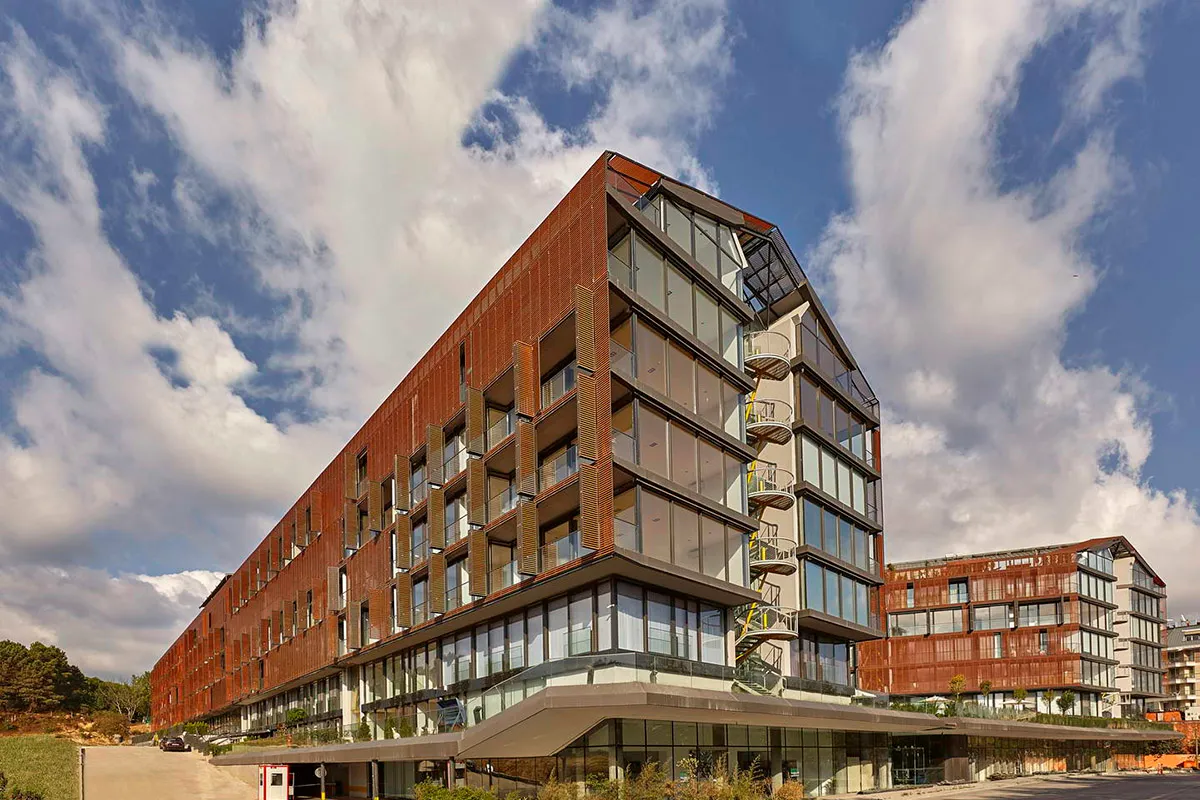
Aluminum Composite Panel Technical Data
STORING
- Panels must be stored in a cool, dry area. We recommend storing the panels in the workshop at approximately 18 °C for at least 24 hours before processing operations begin.
- Store the pallets stacked one over the other (do not store panels standing vertically) with a maximum of 5 pallets of the same format stacked on top of each other (heavy pallets at the bottom).
- Individual panels must be lifted off the pallet by two people holding all four corners and not dragged across one another. Carry the panels vertically.
- Wear gloves to avoid staining.
- When stacking panels, nothing should be put in between to avoid markings.
CONTROLLING
Check finishing colour by stripping the corner of the panels before processing.
MATCHING (INSTALLATION) PANELS WITH METALLIC & MICA COATINGS
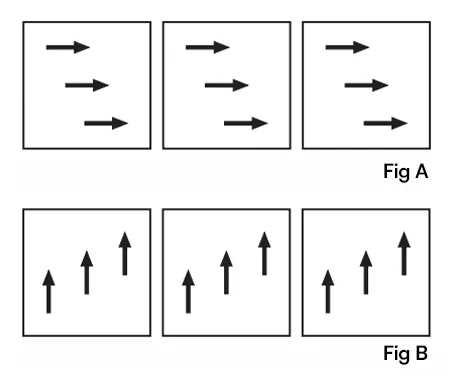
Arrows showing the direction of coil coating are printed on the strippable protective film. Panel directionality must be maintained in order to avoid shading differences between adjacent panels and must be taken into account when making the optimisation calculations. Ensure that all panels are installed in the same direction as seen in Fig A and Fig B below. You must NOT mix directions A and B. Otherwise, visible color variations may occur.
Which ACP Panel Variants Are Available?
Three panel families cover the duty range from signage to fire-rated facade cladding.
| Variant | Construction | Duty |
|---|---|---|
| Aluboard | Polyethylene core, polyester-coated face, epoxy polyester back, 5/32 inch thick, 0.25 mm sheets | Signboards, displays, industrial interiors |
| Aluface | 0.35 mm PVDF or Nano PVDF face, 3.30 mm LDPE core, epoxy polyester back | Exterior cladding, 20-year warranty |
| Saraybond A2 | 0.5 mm aluminum both faces, 3 mm mineral core, 4 mm total, PVDF face | Non-combustible facade cladding |
Aluboard sheets run 50 or 60 inches wide and 126 inches standard length with options to 236 inches, which answers the common aluminum composite panel 4×8 price question with a different logic: panels are supplied in large-format architectural sizes and cut to the facade layout, priced per project rather than per stock sheet.
Which Finishes and Colors Can Facades Carry?
Aluminum composite panels carry finish families well beyond flat color: solid colors, metallic finishes, timber designs, stone effects, weathered, zinc and patina series, anodized-look, prismatic colors, textured and brushed surfaces. The standing chart covers more than 70 options, and custom colors and designs can be coated to order, brand-matched facades included.
This is how composite aluminum panel cladding replaces heavier materials visually: timber-look facades without wood maintenance, stone and zinc effects without their weight, all on the same lightweight substrate.
Where Are Aluminum Composite Panels Used?
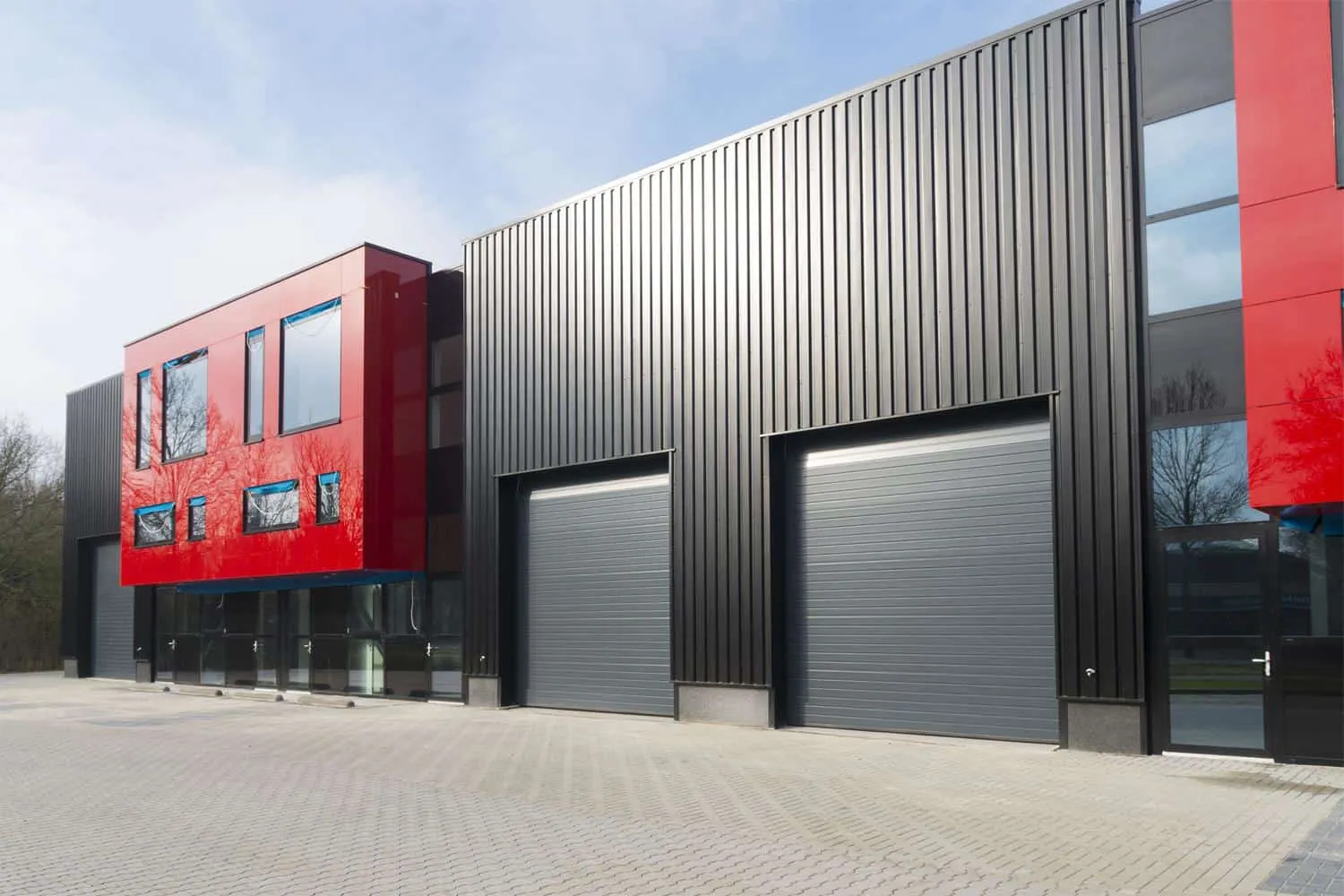
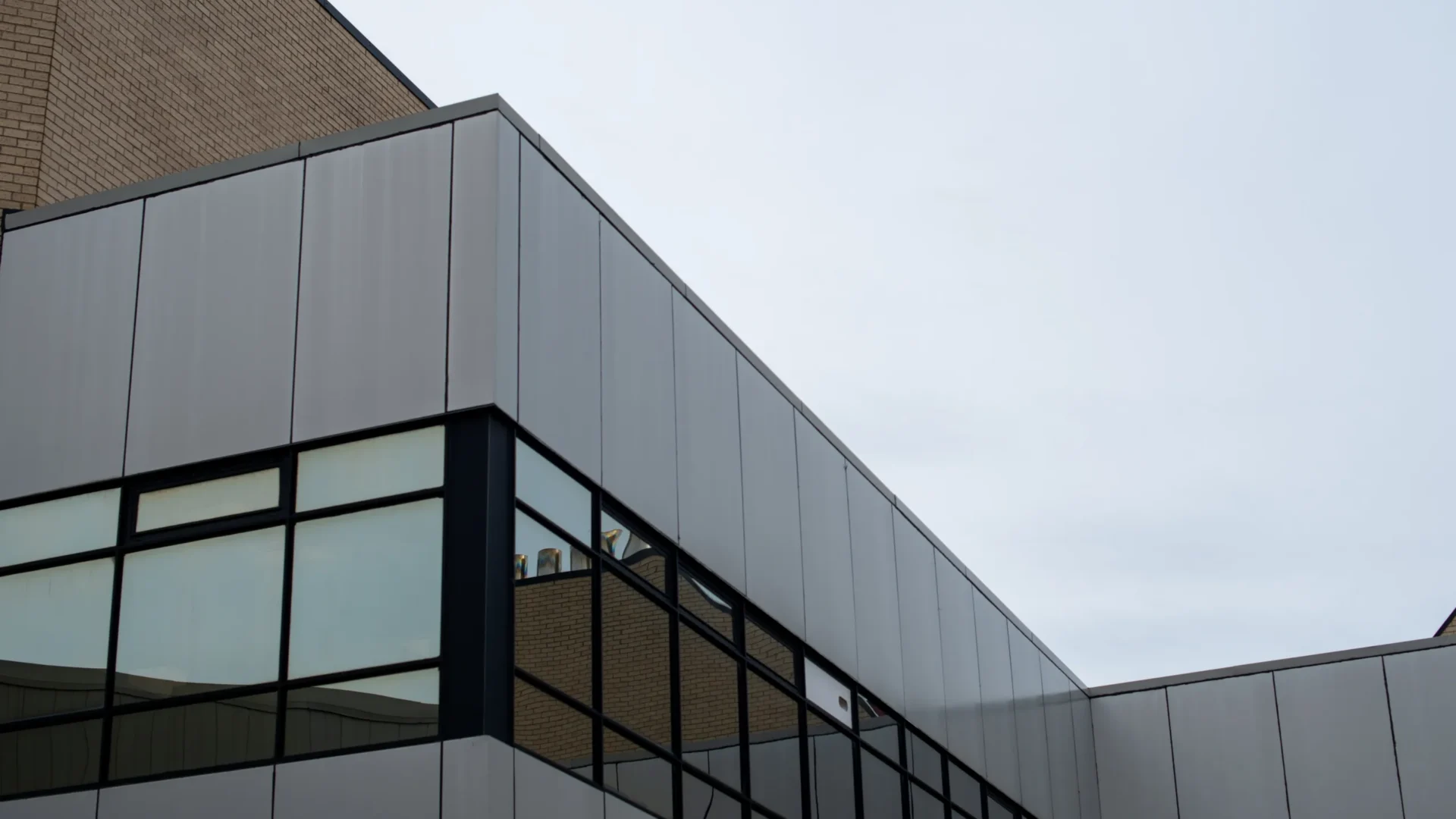
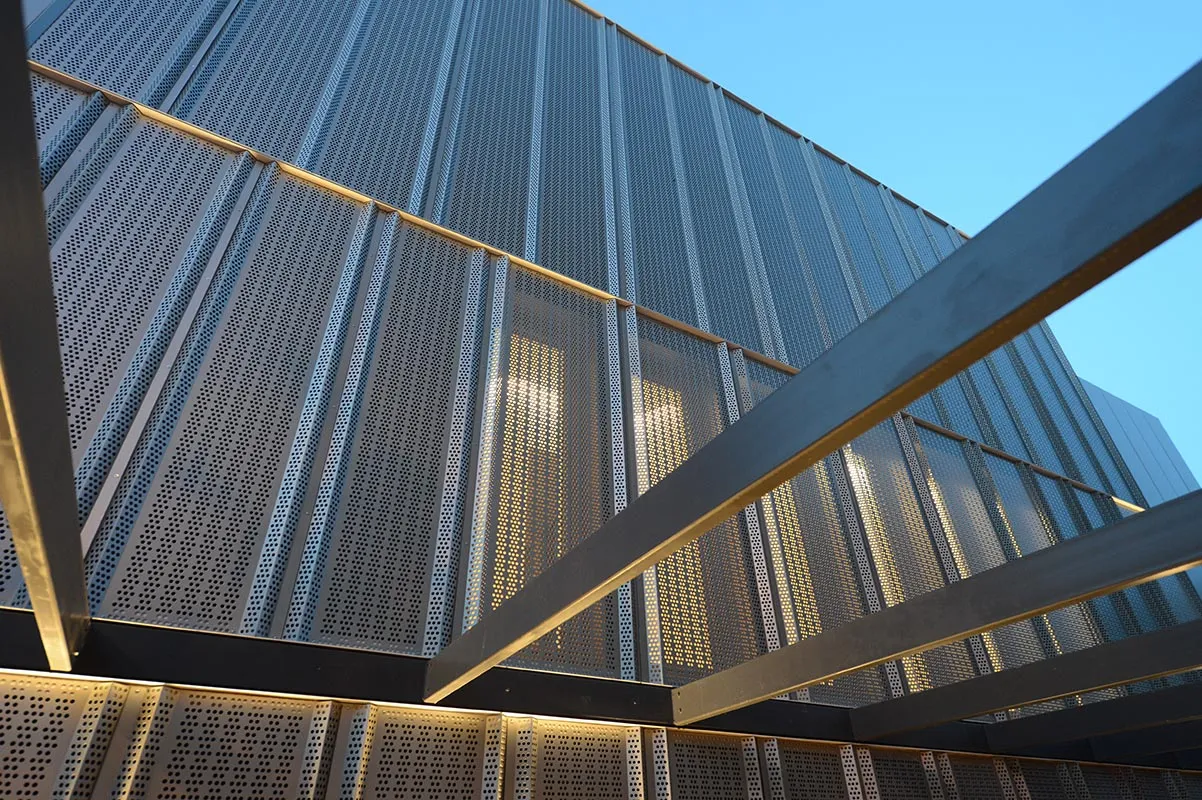
Facade cladding leads the use map: aluminum composite wall panels wrap commercial buildings, storefront fasciae and entrance features in flat, uniform surfaces with crisp shadow lines. Signage follows, Aluboard’s flatness and cut precision serve signboards and advertising displays, and interior applications use acp panel sheet formats for feature walls and column cladding.
Aluminum composite metal panels also pair naturally with the rest of the range: an ACP-clad elevation over a curtain wall base carries one coordinated architectural language, detailed and installed by the same team.
How Sustainable Is ACP Cladding?
Sustainability is documented rather than claimed: the panel range carries International EPD (Environmental Product Declaration) certification for green buildings, the disclosure standard underlying LEED, BREEAM, DGNB and CEDBIK certification systems. For projects pursuing those ratings, the cladding contributes auditable product data instead of marketing language.
Aluminum’s recyclability completes the case: the faces re-enter the material stream at end of life, consistent with aluminum’s standing as one of the most recycled architectural metals.
Who Is ACP Cladding Right For?
Three project profiles align with the material. Commercial facades get flat, uniform, fire-class-selectable cladding with warranties to 40 years and finishes from metallic to stone. Rebrand and renovation projects get lightweight panels that re-skin an aging elevation without structural surgery. Signage and identity programs get large-format, precision-cut faces in exact brand colors from the 70+ chart or custom coating.
As aluminum composite panel manufacturers’ systems go, the differentiator here is delivery: panels, engineering and installation from one team, specified at drawing stage and executed across New Jersey and New York from the Montclair showroom.
Specifications and options can change. Fire class requirements, panel sizes, coatings and warranty tiers should be confirmed per project during technical detailing.
Frequently Asked Questions
What is an ACP panel made of?
An ACP panel bonds two aluminum sheets to a core of polyethylene or non-combustible mineral fill. The composite build delivers facade-scale flatness, light weight and rigidity, with faces finished in coil-coated systems such as PVDF for long-term color retention.
Is aluminum composite panel fireproof?
Fire performance is a class choice. A2 panels (A2 s1 d0) carry a non-combustible mineral core, the highest composite cladding class; B1 panels use a fire-retardant core; B2 panels carry standard LDPE. Facade code requirements decide the class at specification.
How long do aluminum composite panels last?
Coating tier sets the horizon: exterior warranties run 10, 15, 20, 30 or 40 years depending on coating type and layers, with PVDF-faced panels such as Aluface carrying 20-year exterior warranties. The aluminum faces themselves resist rot and corrosion throughout.
What sizes do ACP panels come in?
Aluboard runs 50 or 60 inches wide, 126 inches standard and up to 236 inches long at 5/32 inch thickness; A2 facade panels build 4 mm total with 0.5 mm faces. Panels are cut to the facade layout rather than sold as stock 4×8 sheets.
What is ACP used for?
Primary uses are facade cladding, storefront and entrance features, signboards and advertising displays, and interior feature surfaces. Finish families spanning metallic, timber, stone and anodized looks let one substrate replace multiple heavier materials.
Limited-Time Offer
Save $3,000 on Your Project
5.0 on Google · 64+ homeowner reviews
Credit applies to new project contracts signed within 30 days of the quote. Cannot be combined with other offers. Ask your consultant for full details.
Let's Talk
Plan your facade with our team: share your project details and we will recommend the right ACP variant, color and finish.
-
Email
[email protected] -
Phone
(855) 656-5920 -
Address
28 Valley Road, Suite 1, Montclair,
New Jersey 07042 -
Hours
Monday – Saturday,
9AM to 5PM